Network of Indigenous Women in Asia (NIWA) Follow on Facebook

Background
Asia Indigenous Peoples Pact (AIPP) initiated Regional Indigenous Women’s Exchange in 2014 and has been continued it as an institutional intervention. Over past 5 years, the Indigenous Women participants of the Regional Indigenous Women Exchange have realized the need of platform for Indigenous Women at regional level to create space for Indigenous Women Organization and Networks for better visibility, stronger voices and solidarity, collective advocacy and cope with fund/raising challenges in long run. The 4th Regional Exchange Visit held in Nepal explicitly discussed as a pertinent issue and critically analyzed both pro and cons of the Regional Platform. They decided a step towards formalizing the regional platform for Indigenous Women. Different bi-lateral and multilateral discussion among Indigenous Women leaders representing different countries followed in between. The 5th Exchange Visit in Phnom Penh, Cambodia also prioritized the Regional Indigenous Women Platform based on formal and informal consultations among Indigenous Women leaders, Indigenous Women Organizations and networks. These Indigenous Women leaders who participated in the exchange endorsed the key decision of the 4th exchange visit including focal person’s nominations from each country and recommended few key strategic action points including coordination for nomination of focal person nomination from remaining countries, organize focal persons’ meeting and conduct strategy development workshop for concretization of Regional Indigenous Women Platform with request to AIPP Indigenous Women programme for coordination role for the transitional period.
Introduction
Network of Indigenous Women in Asia (NIWA), established in 2019, is a member-based network of Indigenous Women’s Organizations and Networks across Asia. It covers 14 Asian Countries with four sub regions namely East Asia, South East Asia, Mekong and South Asia. It envisions ‘Indigenous women are empowered, capable and self-reliant fully enjoying their rights fostering inclusive and sustainable development in Asia’.
Vision
Indigenous Women are empowered, self-reliant and fully enjoy their rights including the right to self-determination.
Mission
Foster Indigenous Women’s collective leadership and strengthen their organisations in Asia to protect, promote, and defend their rights and collective care and well-being.
Goal
Empowered Indigenous Women exercise self-determined socio- cultural, economic, environment development, & political rights for self-governance through solidarity and movement building in Asia.
Objectives of the NIWA
Objective 1: Empower and build agencies of Indigenous Women and intersectional groups within Indigenous Women to raise and amplify their voices and concerns at all levels.
Objective 2: Strengthen self-organising and solidarity among Indigenous Women and their Organisations at all levels.
Objective 3: Promote participation and representation of Indigenous Women in policy processes and decision making at all levels.
Objective 4: Build collective action and engage in alliance building, advocacy and lobby for Indigenous Women’s rights at all levels.
Value and Principles
- Equality and Justice
- Inclusive and Non-discrimination
- Meaningful participation
- Collective leadership
- Dignity and pride of our identity
- Integrity, mutual trust and respect
- Collective care and wellbeing
- Non-competing (non-competitive), complementing and cooperation
- Openness, transparency and accountability
The key strategies and approaches of NIWA is capacity building, institutional and network strengthening, Research and Publication, Advocacy and lobby at different level for the full realization of Indigenous Women’s rights, Collaboration and synergies with likeminded organizations at different level with participatory bottom up approach.
Key Thematic Focus
- IW movement building and strengthening.
- Land rights and Natural Resource Management (including climate change, Indigenous Knowledge, biodiversity conservation).
- Indigenous Women in Decision Making.
NIWA’s Organizational structure
NIWA, in the future will be autonomous organization, is constituted with 15 founder member organizations representing 14 countries from Asia. Each organization will be represented by focal persons and focal persons are accountable towards their respective organizations. Founder member organizations through focal persons are responsible for consultation and coordination among other Indigenous Peoples as well as Indigenous Women’s organizations in their respective countries.
Network of Indigenous Women in Asia (NIWA) Member Database 2021
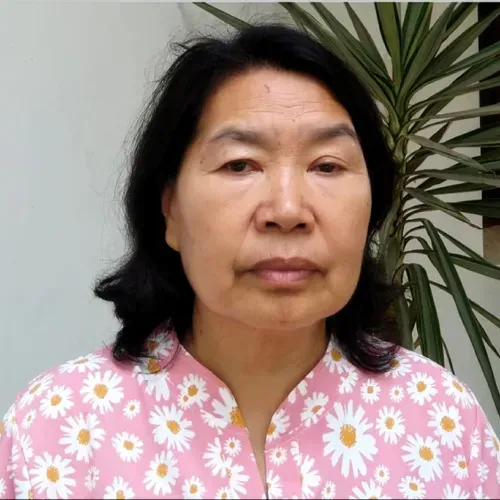
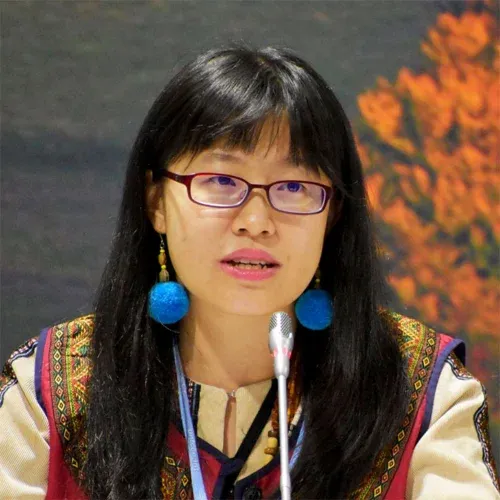
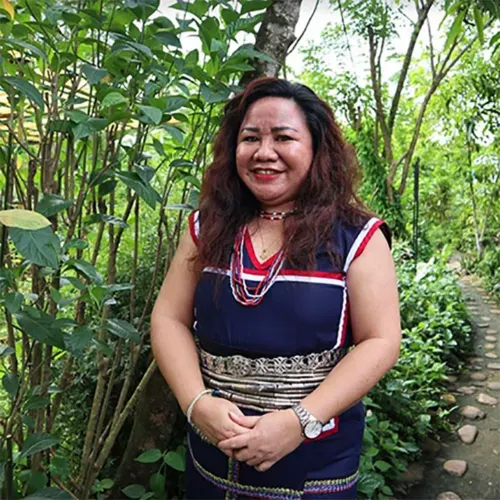
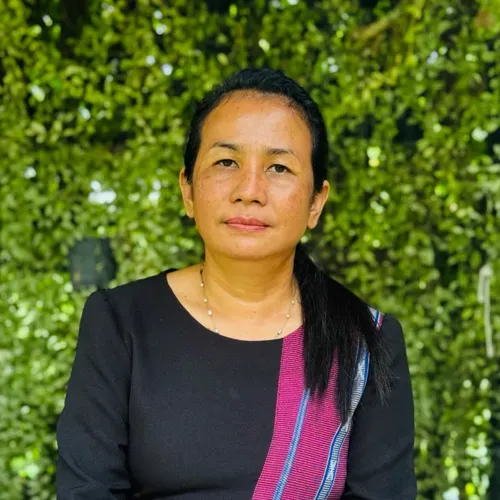
NIWA Executive Council Members (2025-2029)

NIWA Sub Regional Members
South Asia
Mekong
South East Asia
East Asia
NIWA Articles
22 April 2026

8 May 2025
Contact Us
Asia Indigenous Peoples Pact (AIPP)
112 Moo 1, Tambon Sanpranate, Amphur Sansai, Chiang Mai 50210, Thailand
Phone: +66(0) 53 343 539
Fax: +66 (0) 53 343 540
[email protected]