Asia Indigenous Youth Platform (AIYP) Follow on Facebook

Background
Indigenous Youths in the Asia are facing a time of key life transitions and uncertainty about the future. In addition to navigating these new aspects of life, young people from indigenous communities face a range of unique social and cultural challenges. Indigenous communities often live in remote locations with less access to modern education, health and other services than mainstream peoples/ their countrymen, and continuity of cultural practices and identity is intimately connected to belonging to a community. Formal decision-making and governance structures are often led by a group of chosen leaders who are informally advised by wise elders in the community. Most decisions and programs are influenced by popular opinion and the youth (boys and girls), including children, take active part in the implementation of the community’s programs and activities. However, their customary institutions are in mutilated forms due to varied reasons such as invasion, occupation, militarization, development aggression, assimilation, political domination and imposition of state structures, etc. These institutional challenges have produced extreme conditions where the whole community often go through or are experiencing collective trauma and internalization of victimhood and violence affecting the children, youth and women the most. So. to deal with the emerged youth issues, AIPP in collaboration with UNESCO and UNDP established Asia Indigenous Youth Platform during the Regional Youth Leadership Training and Youth Conference in the presence of 45 indigenous youths from Nepal, Bangladesh, Mainland India, Northeast India, Myanmar, Thailand, Laos, Vietnam, Cambodia, Malaysia and Philippines on 5-12 June 2019 in Chiangmai.
Vision
We envision a sustainable world in which indigenous youth play a leading role in achieving respect and equality for indigenous peoples through the full recognition of their inherent rights.
Objectives
Recognising the UN Declaration on the Rights of Indigenous Peoples (UN DRIP) and the fundamental importance of realising and protecting human rights of indigenous youth, AIYP will work collectively to address a number of interconnected issues affecting young indigenous people. Central to AIYP’s work will be recognising the principle of free prior and informed consent within all of AIYP’s actions, which will work to achieve the following for indigenous youth and their communities:
- Prevent loss of culture and protect indigenous knowledge
- Access quality education including Mother Tongue Language education
- Strengthen land rights and food security
- Participate in decision-making
- Provide sustainable livelihoods for indigenous youth
Thematic Areas
- Loss of Culture/TL,
- Access to Education & Health,
- Land rights / security/food,
- Political participation / peace / participation in decision-making,
- Mother tongue language,
- Human rights and
- Employment
Structure
- “Council” one representative from each country + regional (Annual),
- “Executive” 2 representatives + one alternate from each regional (Quarterly)
- “Membership” all Indigenous Youths in national youth organizations/federations + regional
- “Working groups” based work plan (as needed)
AIYP Council Members (2025-2028)
Name | Country |
| Ms. Supriya Rai- Chair | Nepal (South Asia) |
| Mr. Toni Chiran Sangma- Dy. Chair | Bangladesh (South Asia) |
| Mr. Shang-Yi Wang- Dy. Chair | Taiwan (East Asia) |
| Mr. Hero Aprila- Dy. Chair | Indonesia (Southeast Asia) |
AIYP Council Members and Alternates (2025-2028)
Region |
Country Name |
Focal person |
Alternative person |
| East Asia Region | |||
| Taiwan | Mr. Shang-Yi Wang | Ms. Apin Lhkahihian | |
| South Asia Region | |||
| Bangladesh | Mr. Toni Chiran | Ms. Merry Heart Hauheng | |
| Nepal | Ms. Supriya Rai | Mr. Deb Bahing Rai | |
| Mainland India | Mr. Manoj Kerketta | Ms. Alka Anamika Aind | |
| NE India | Mr. John Debbarma | Ms. Lalmuanpuii Renthlei | |
| Southeast Asia Region | |||
| Indonesia | Mr. Hero Aprila | Ms. Elisabeth Simanjuntak | |
| Philippines | Ms. Ephin Talastas Falyao | Ms. Catherine Lyong Dalon | |
| Timor Leste | Mr. Julio Frreira | TBD | |
| Malaysia | Mr. Roben Well | Ms. Anastasia | |
| Mekong Region | |||
| Thailand | Mr. Supradit Songnarin | Ms. Kanyarat Rakchongnaroen | |
| Cambodia | Mr. Blen Romam | Ms. Miss. Son Uosaphea | |
| Myanmar | Ms. Khaing Zar Phyoe | Mr. Dee Jar Fish | |
| Representative from Indigenous youth with disabilities | |||
| Ms. Sajana gurung | Mr. Aaditya Sherpa |
AIYP Announcements
Videos

22 August 2021
9 August 2021
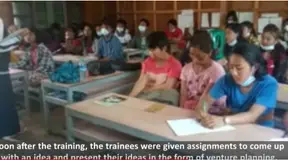
5 June 2021
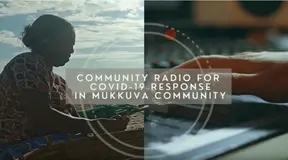
5 June 2021
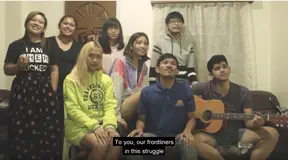
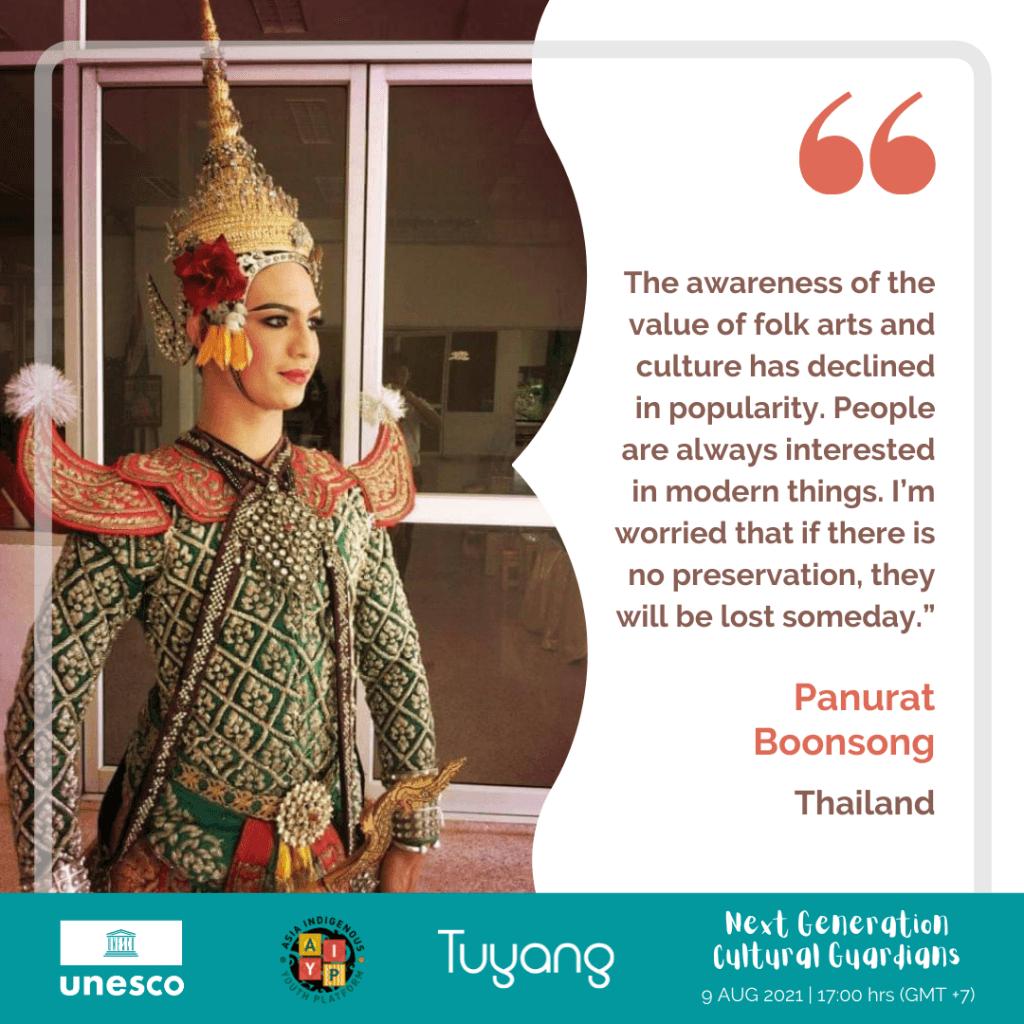
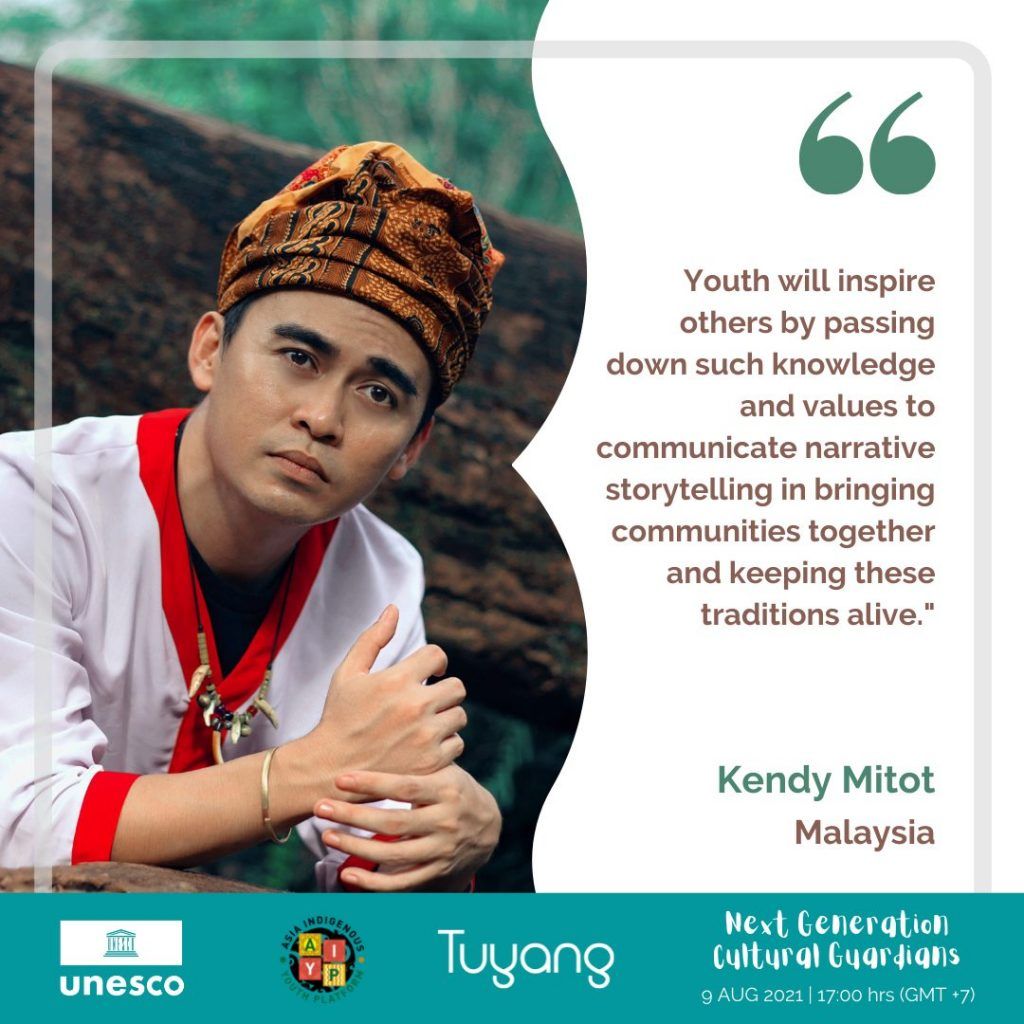
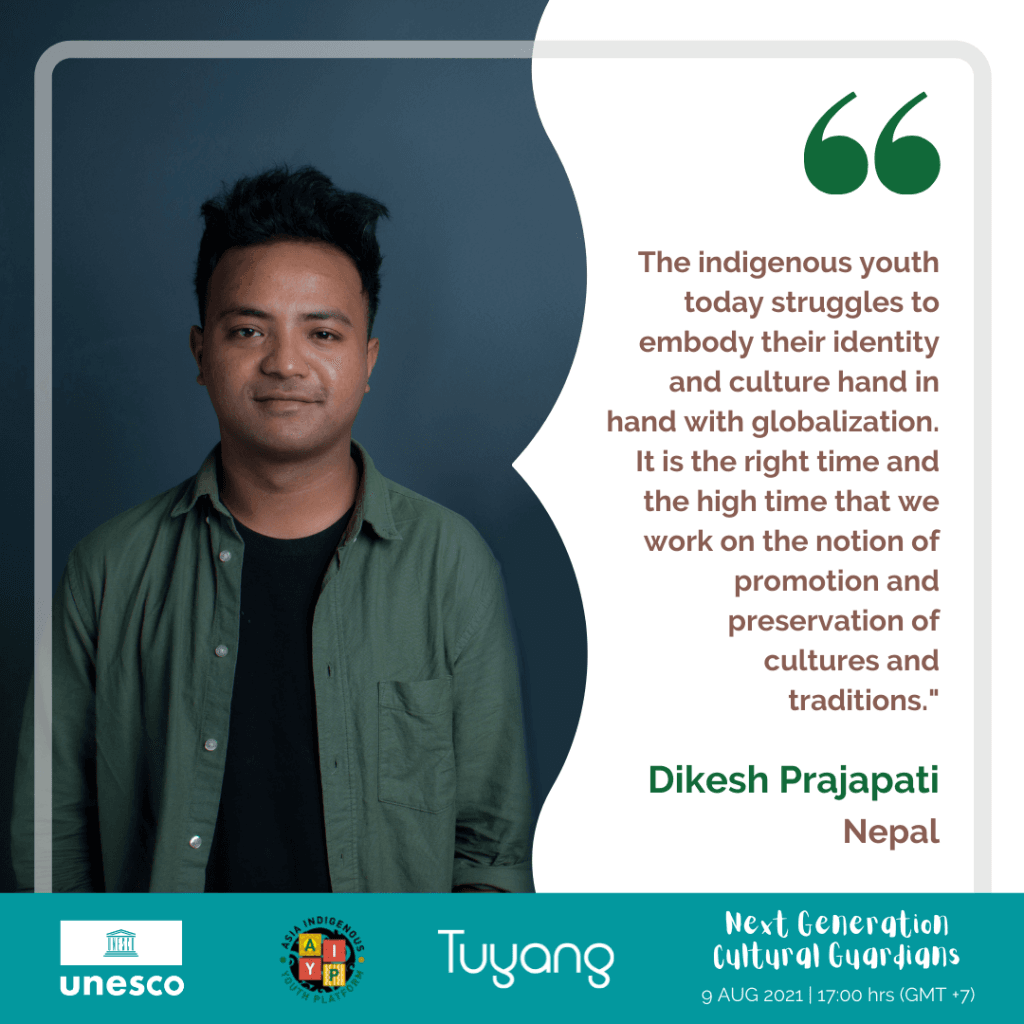
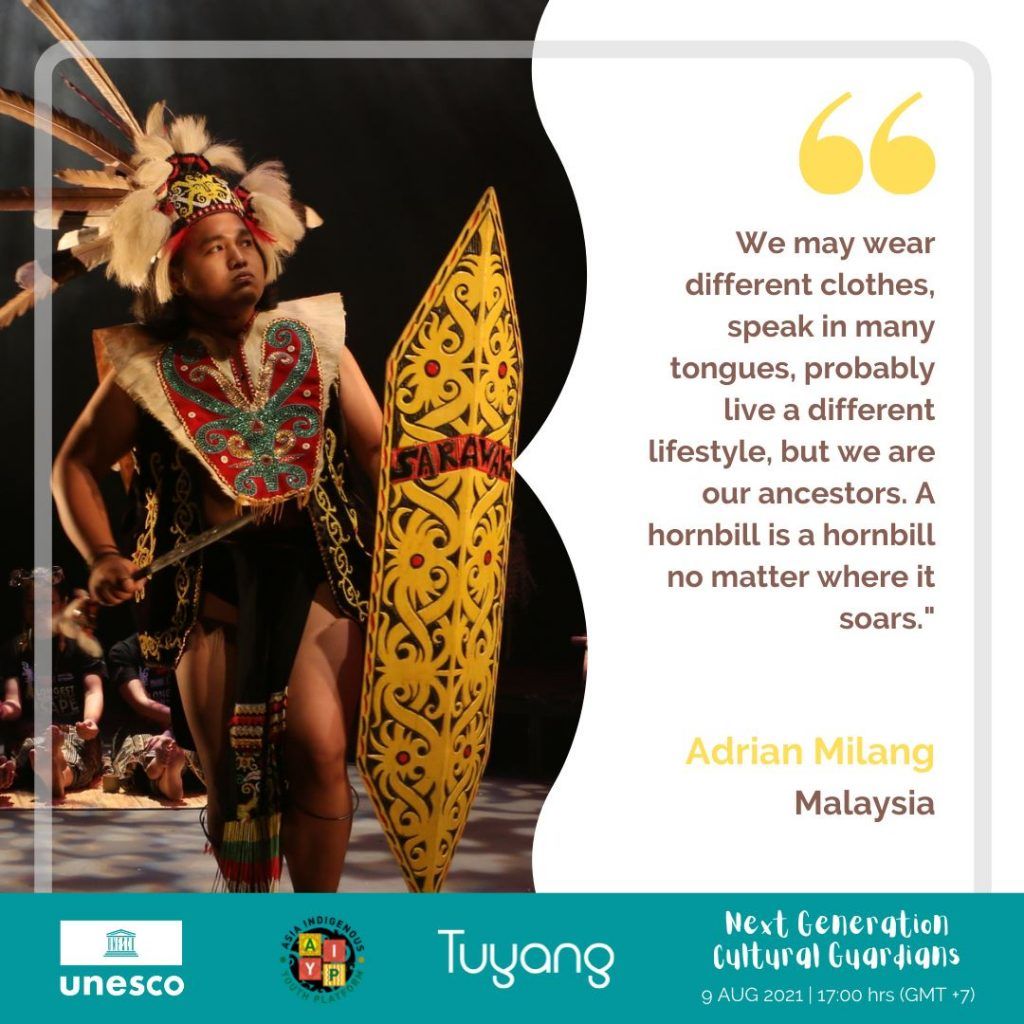
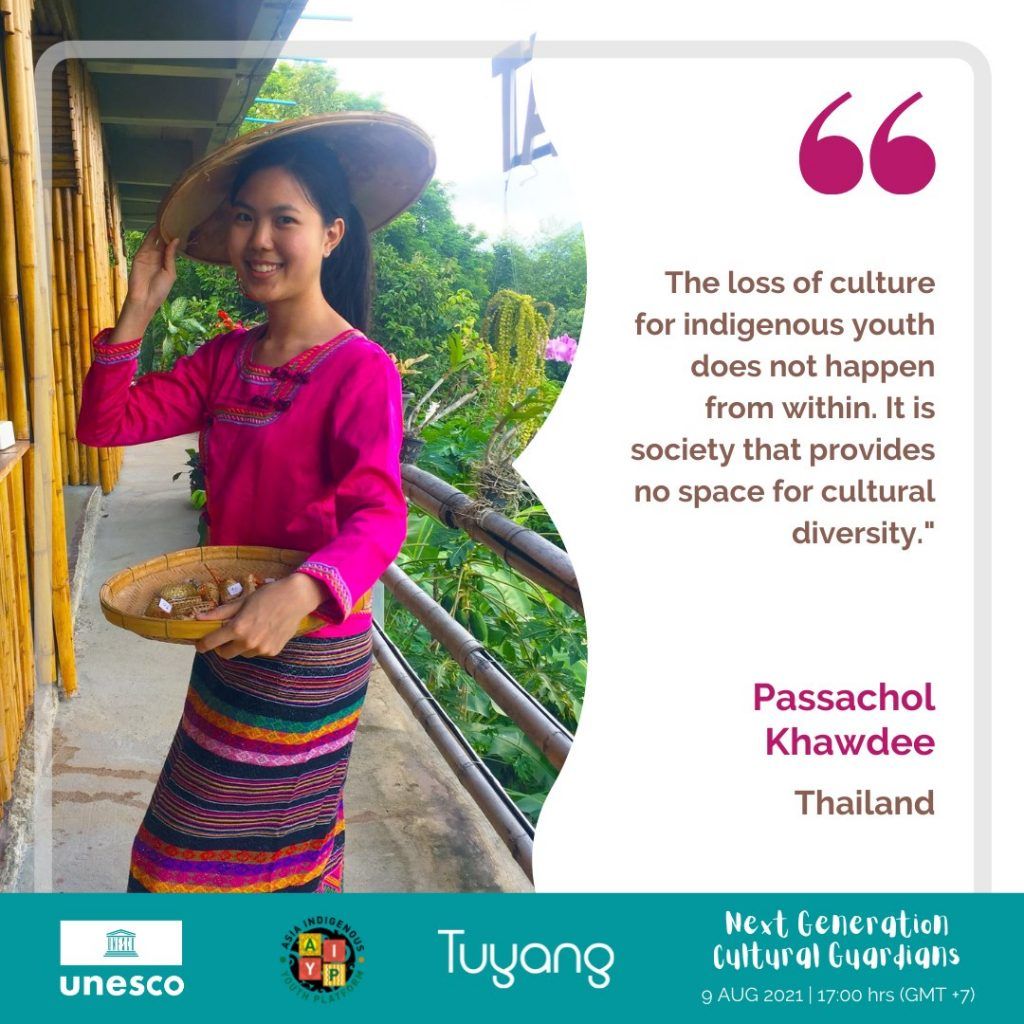
Quotes Collections from "Next Generation Cultural Guardians" on Aug 2021
Contact Us
Asia Indigenous Peoples Pact (AIPP)
112 Moo 1, Tambon Sanpranate, Amphur Sansai, Chiang Mai 50210, Thailand
Phone: +66(0) 53 343 539
Fax: +66 (0) 53 343 540
[email protected]