
EMRIP19: Item 3 – Study and advice on the rights of Indigenous Peoples in conflict and post-conflict situations
13 July 2026
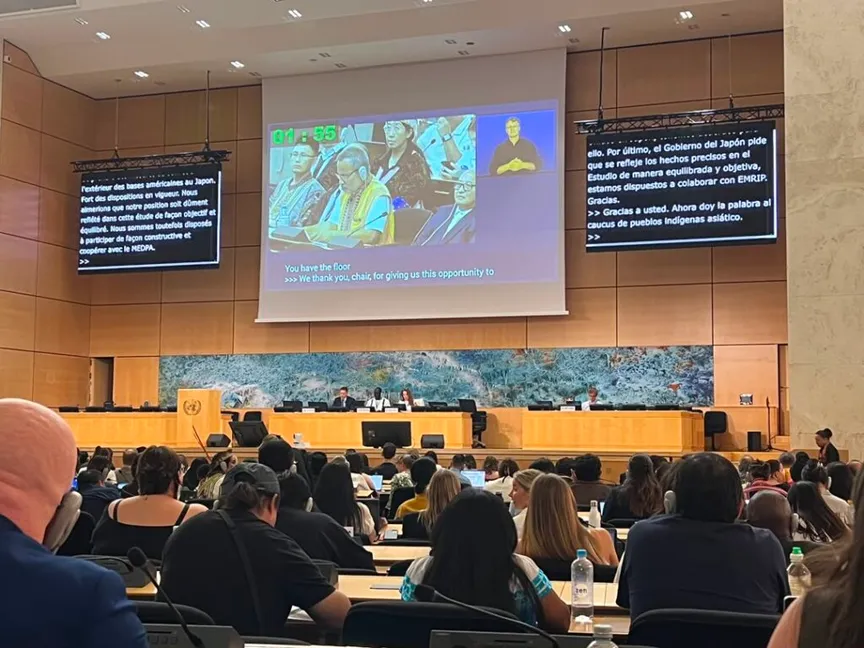
19th Session of the UN Expert Mechanism on the Rights of Indigenous Peoples (EMRIP)
13th to 17th July 2026, UN, Geneva, Switzerland
Joint Statement on
Item 3: Study and advice on the rights of Indigenous Peoples in conflict and post-conflict situations
Presented by: Jebra Ram Muchahary, on behalf of Asia Indigenous Peoples Caucus
We thank the Expert Mechanism on the Rights of Indigenous Peoples (EMRIP) for its important study highlighting the disproportionate impact of conflict on Indigenous Peoples, including violence, displacement, environmental degradation, the erosion of cultural and governance systems, and increasing pressures linked to climate change and competition over natural resources. We also appreciate the recommendations provided to States on protecting the rights of Indigenous Peoples in conflict and post-conflict situations.
The study correctly recognizes that Indigenous Peoples are disproportionately affected by conflict due to historical injustices and ongoing political and economic marginalization. Across Asia, Indigenous Peoples maintain a profound relationship with their ancestral lands, territories, and resources, yet they continue to face systemic discrimination, particularly regarding land rights, self-determination, health, governance, and security.
In many Asian countries, Indigenous Peoples are still not constitutionally recognized, leaving them without adequate legal protection in conflict and post-conflict situations. The failure to recognize Indigenous land rights, respect the right to self-determination, and implement the right to free, prior and informed consent (FPIC) has contributed to land dispossession, forced displacement, militarization, criminalization, and violence against Indigenous communities and human rights defenders.
We suggest on the study is the following: Para 52: Add the sentence: Similarly, the non-implementation of Bangladesh’s CHT Accord of 1997 is affecting the Jumma people’s internal self-determination and enduring a durable peace in the region.
Paragraph 61: proposal to amend, second line…. in parts of Africa and Asia (delete Southeast), and to add, “In Bangladesh’s CHT region, non-implementation of the demilitarisation provision of the CHT Accord and continued counter-insurgency activities displacing Indigenous Jumma peoples from their ancestral land and allegations of arbitrary arrests, raids, torture, and harassment at checkpoints.
We recommend that the Expert Members urge the States in Asia to
- Recognize and protect Indigenous Peoples’ rights to lands, territories, resources, and self-determination, and fully implement FPIC in accordance with the UNDRIP.
- Adopt constitutional and legislative measures recognizing Indigenous Peoples, their collective rights, customary governance systems, and land rights.
- Ensure the full, effective, and meaningful participation of Indigenous Peoples in peace processes, transitional justice, constitutional reform, and post-conflict governance.
- Establish effective protection mechanisms for Indigenous human rights defenders and end politically motivated criminalization.
- Review and overturn the baseless terrorist designation against leaders of the Cordillera Peoples Alliance in the Philippines.
Thank you.
Contact Us
Asia Indigenous Peoples Pact (AIPP)
112 Moo 1, Tambon Sanpranate, Amphur Sansai, Chiang Mai 50210, Thailand
Phone: +66(0) 53 343 539
Fax: +66 (0) 53 343 540
[email protected]