Guardians of the Forest: How Indigenous Youth and Elders Unite to Protect Biodiversity
5 June 2026
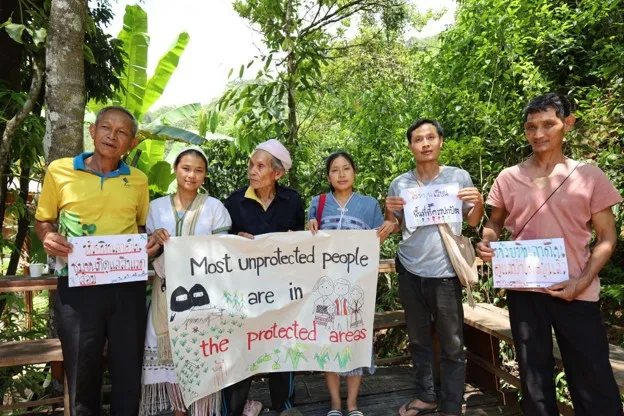
When we protect the variety of life on Earth, we protect our own future. In the mountains of Northern Thailand, an Indigenous village named Huay Hin Lad Nai is showing the world how to do this right. For over four generations, this community has looked after its ecosystem using its own customary rules, beliefs, and Indigenous knowledge.
On this International Day for Biological Diversity, we celebrate a powerful truth: the best way to protect nature is to support Indigenous Peoples. In Huay Huay Hin Lad Nai, Indigenous Youth are stepping up as powerful leaders, working side-by-side with their elders to keep their forest green and their planet healthy.
The young Indigenous blood of Huay Hin Lad Nai has always changed their roles to protect their home when danger arrives:
- First, They Were the Shield: Years ago, when state laws threatened to evict the community from their forest, the youth stood up to protect their families and the land. They gathered community data to prove they belonged there.
- Next, They Were the Keepers: Realizing that Indigenous knowledge is the secret to protecting nature, a second group of youth brought back vanishing cultural traditions, languages, and rituals.
- Now, They Are the Bridge: Today’s youth connect the outside world with the village. Guided by elders, they learn how to handle new outside influences while keeping their roots strong.
In Huay Hin Lad Nai, the youth do not just talk about conservation—they do the heavy lifting:
- Fighting Wildfires
When the dry season arrives, forest fires can quickly wipe out thousands of living species. Young men and women use their physical strength to walk the mountains, keep watch, and build long fire-breaks. When a fire breaks out, they run directly into danger with the adults to put it out, saving the plants and animals.
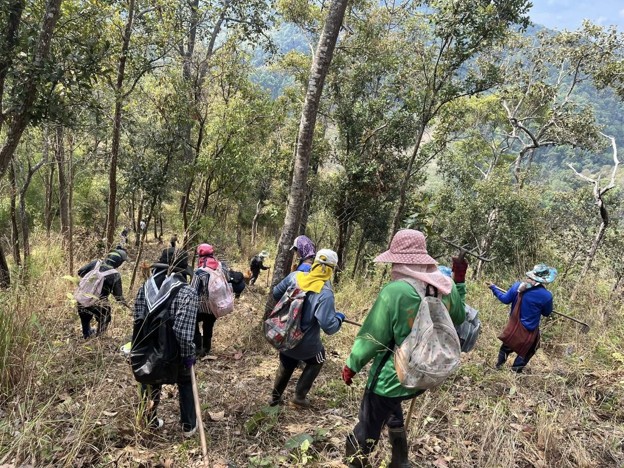
Photo credit: https://www.hinladnai.com/
- Keeping Sacred Traditions Alive
Unmarried young men and women lead ceremonies that teach respect for the Earth. For example, a young person must be the very first one to drop rice seeds into the soil during a new farming cycle. They also lead essential tasks during community weddings and funerals to keep the cycle of life moving.
- Mapping the Land with Technology
Young people are using modern technology to defend their ancestral home. They work with elders to map out the territory, record the traditional names of streams, and use GPS and computers to document their land. This high-tech data proves to the government that indigenous management keeps the forest thriving.
Modern schools and smartphones often pull children away from nature. Huay Hin Lad Nai fights this by purposefully bringing children back to the soil:
- For the Little Ones: The community organizes youth camps and gatherings. They teach children the Indigenous language, scripts, and nature-inspired song-poems called Tha through play and music. During school holidays, parents take kids away from phones and immerse them directly in the mud, the r fields, and the woods.
- For the Teenagers: Elders teach special skills like bamboo weaving or fabric dyeing. They don’t force every kid to learn everything. Instead, they look at what each teenager is naturally good at and let them learn what they enjoy, keeping the process fun and alive.
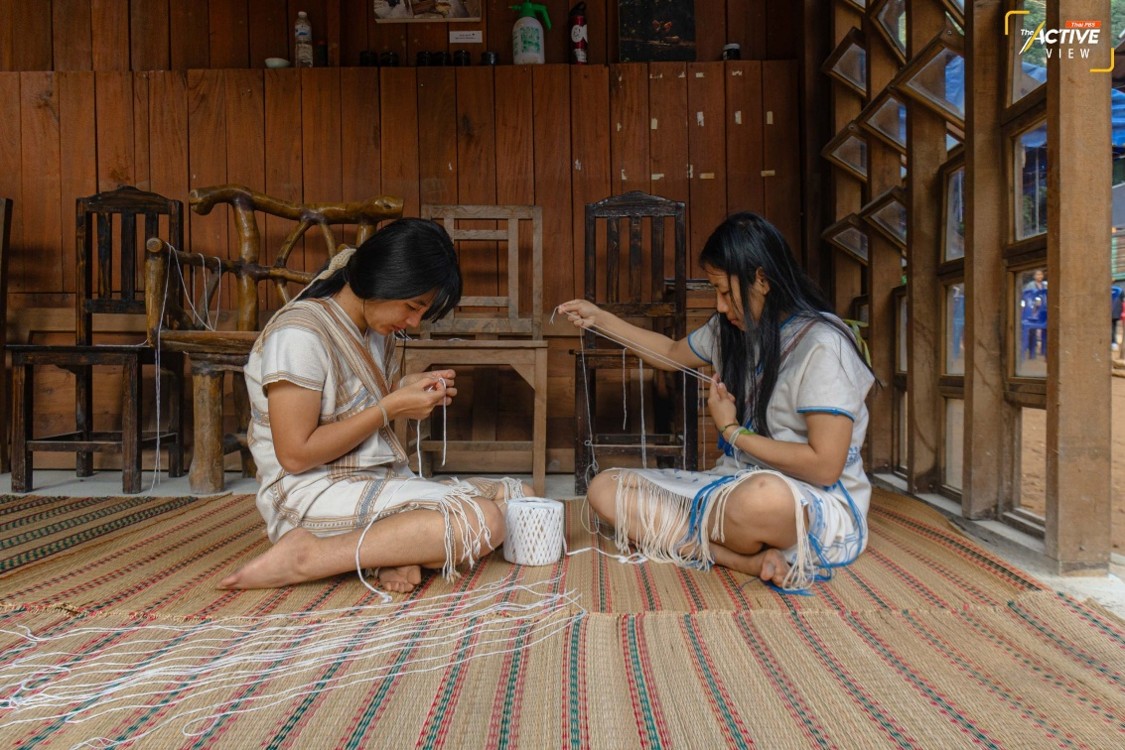
Photo credit: https://theactive.thaipbs.or.th/view/morale-huai-hin-lad-nai
In Huay Hin Lad Nai, land is a shared treasure that can never be bought or sold. While the cultivated rice belongs to the family who planted it, any member of the community is welcome to walk into the field to gather wild vegetables, herbs, or food. This prevents greed, stops over-exploitation, and ensures that newborns and new families always have a shared stake in protecting the Earth.
When state policies threatened their land rights, Huay Hin Lad Nai did not panic because they had their own self-made maps and a deep understanding of their laws.
The community even started its own Resource Management Fund, powered by a 10% tax on sustainable local products like forest honey and wild tea. By relying on their own fund and international small grants, they remain financially independent. They use this money to fund community welfare and build roads, meaning they never have to beg the government for money, and they can dedicate their time to protecting the rich biodiversity around them.
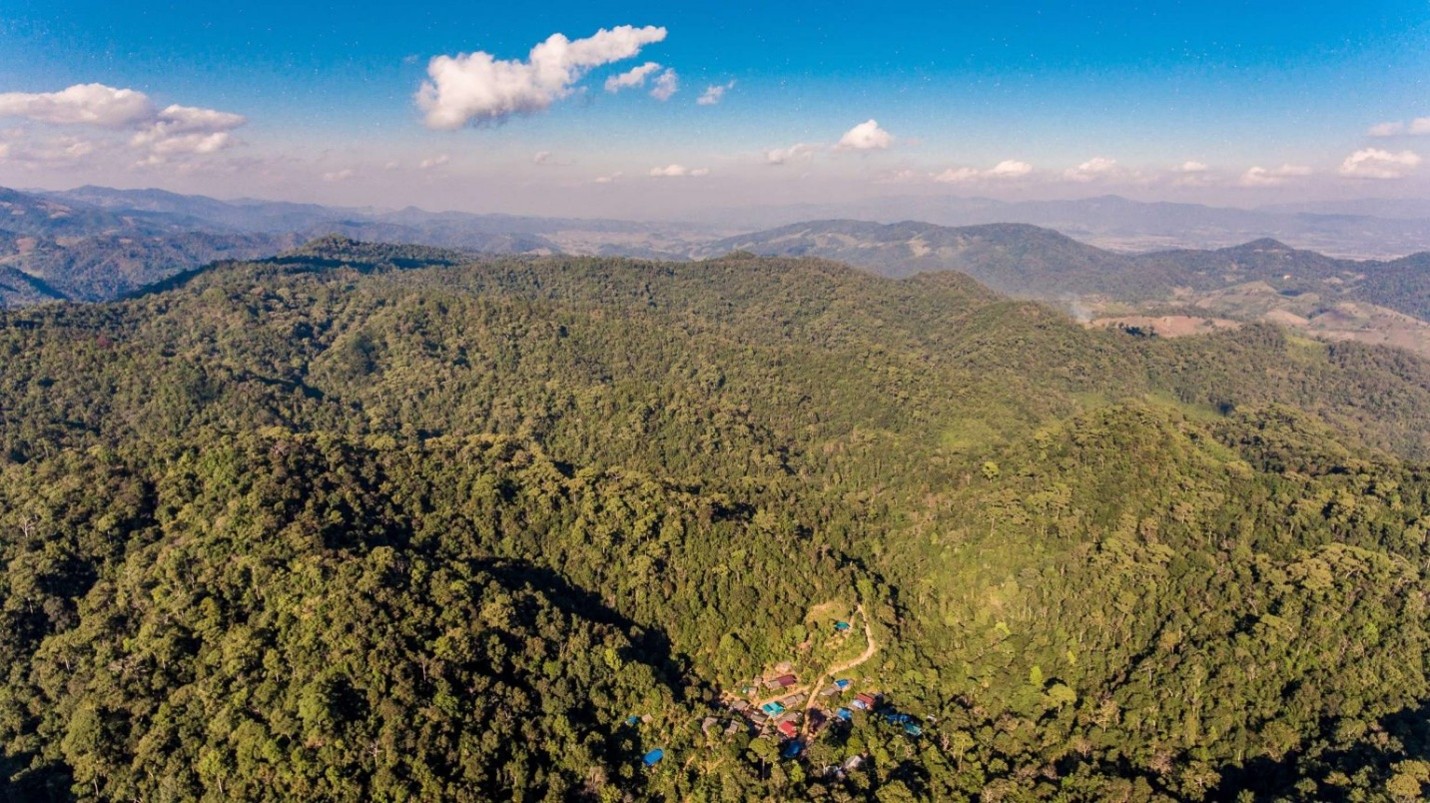
Photo credit: https://www.hinladnai.com/
Contact Us
Asia Indigenous Peoples Pact (AIPP)
112 Moo 1, Tambon Sanpranate, Amphur Sansai, Chiang Mai 50210, Thailand
Phone: +66(0) 53 343 539
Fax: +66 (0) 53 343 540
[email protected]