From Mercy Farms to Land Rights — Forest Management Lessons Overlooked by the State
22 May 2026
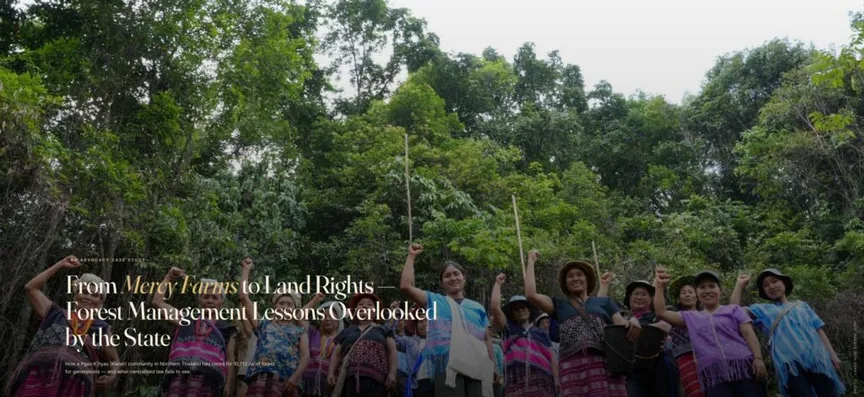
If you use money to protect the forest, when the budget runs out, the forest disappears. But we protect the forest with love because it is our home. Even without a budget, we must preserve it.
– Mrs. Phanee Pongphraisun, Village Head of Mae Jok
WRITTEN BY PIRAWAN WONGNITHISATHAPORN (AIPP) & PHNOM THANO (IMN)
CHIANG MAI · THAILAND
FRAMING NOTE: This piece is based on a community visit and field documentation conducted by the Asia Indigenous Peoples Pact (AIPP), Inter Mountain Peoples’ Education and Culture in Thailand Association (IMPECT) and the Indigenous Media Network (IMN). It serves as an advocacy case study on how Indigenous Knowledge offers a blueprint for global climate and biodiversity goals.
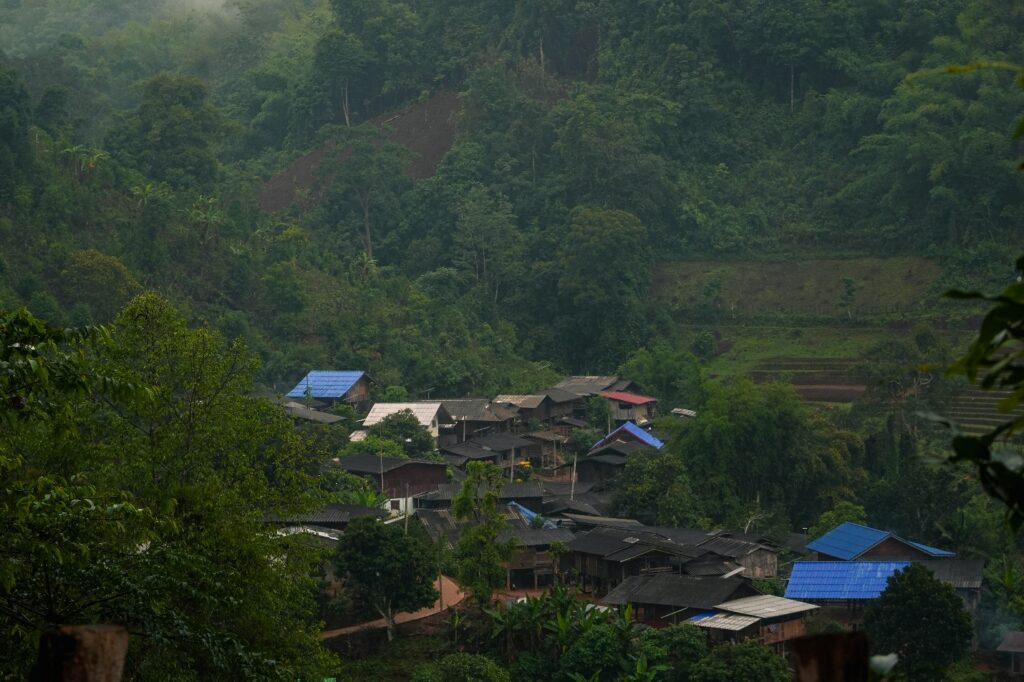
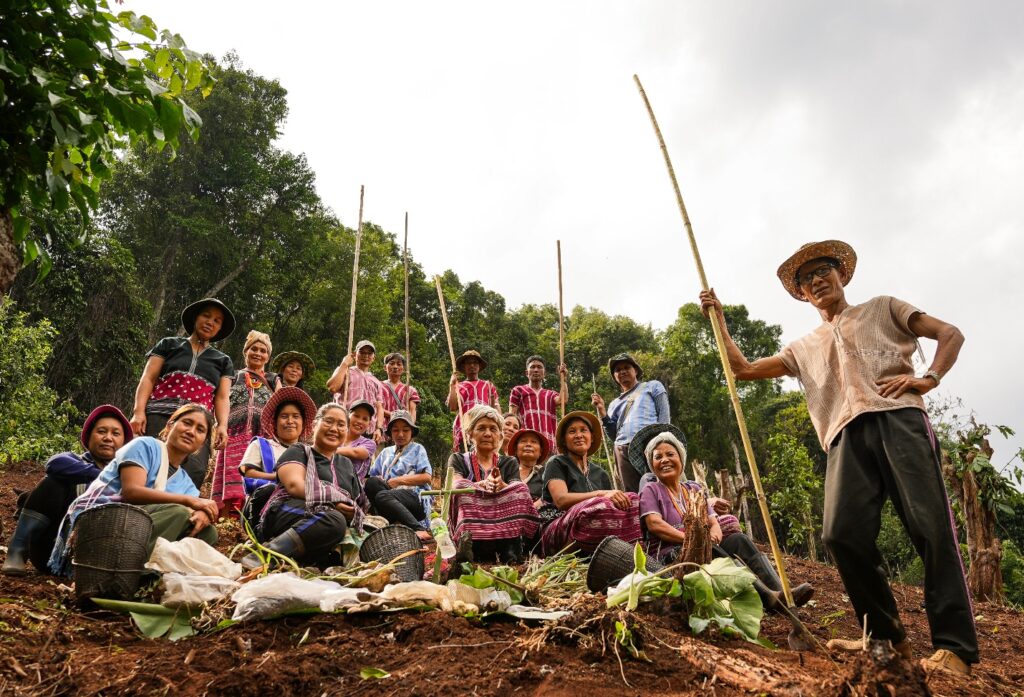
As the world grapples with climate and food insecurity crises, a Pgaz K’nyau (Karen) community named Ban Mae Jok (or Ban Mae Jok Kee), nestled in the valleys of Mae Taeng, Chiang Mai, Thailand, has proven that the solution does not always lie in advanced technology. Instead, it is found in the symbiotic relationship between people and the forest. However, this century-old way of life is now being shaken by centralized legal structures that deny the inherent rights of Indigenous Peoples.
Mercy Farms (Rai Metta): An Ethic of Sharing the World Should Learn
The heart of Ban Mae Jok is not mere survival, but the existence of Rai Metta (Mercy Farms) — agricultural spaces that transcend self-interest to create a food bank for all living beings. Within this rotational farming system, villagers cultivate over 25 indigenous plant species to serve as a year-round food source for wildlife, allowing animals to forage safely within protected areas. This serves as a strategy to mitigate human-wildlife conflict and restore ecological balance.
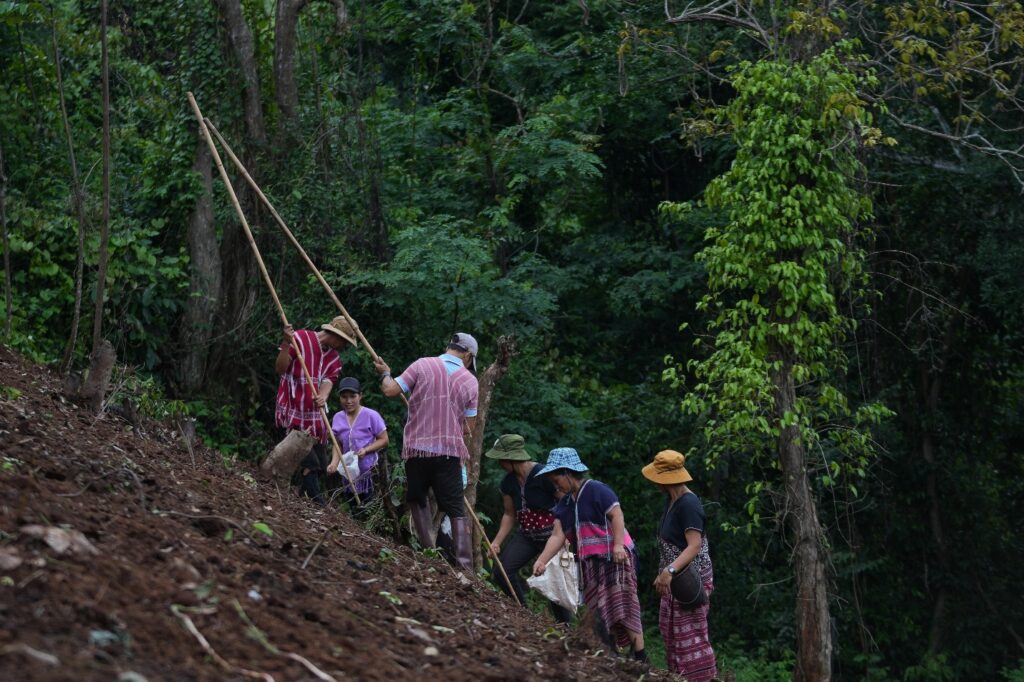
This practice reflects a profound Indigenous ethic. They do not view themselves as owners of nature but as integral parts of an ecosystem shared with wildlife. This belief is elevated to a sacred level through the “Wildlife Ordination” ritual, blending traditional spirituality with Catholic faith. A Mass is held to offer the wildlife and 2,339 rai of forest to God as a covenant of stewardship.
This beauty extends beyond the community to state collaboration, inviting agencies like Huai Nam Dang National Park and Mae Lao-Mae Sae Wildlife Sanctuary to witness the ritual — proving that when love and faith converge, resource management becomes a matter of heart and wisdom rather than mere law enforcement.
The Ten-Thousand-Rai Supermarket
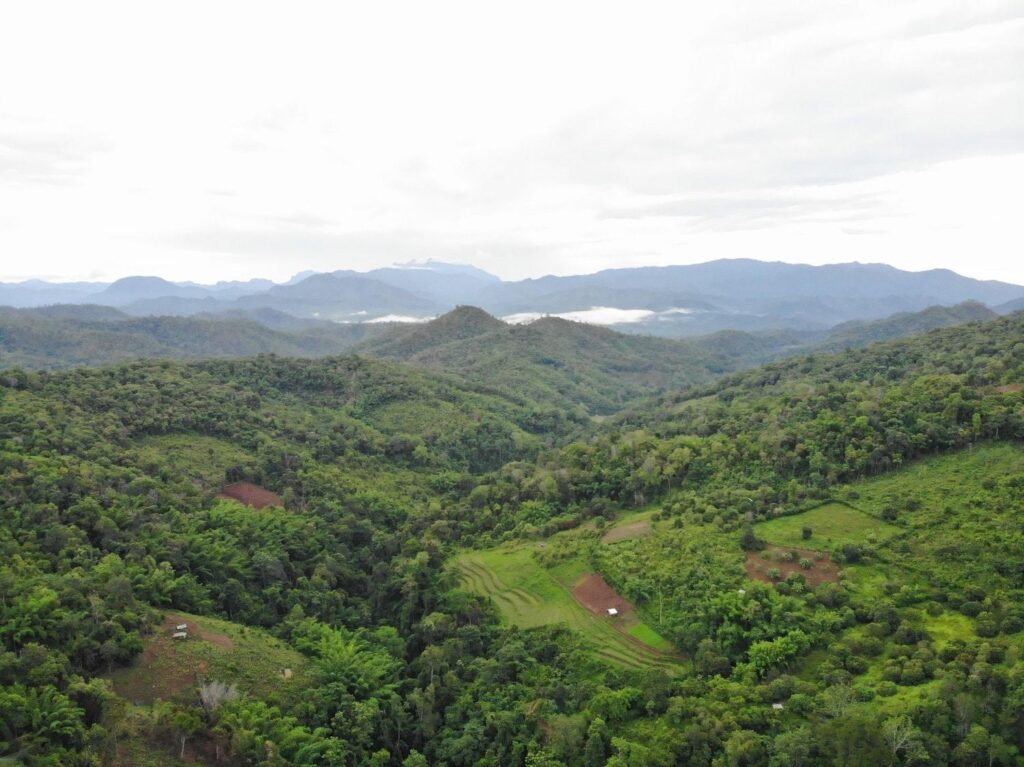
When the COVID-19 pandemic forced Ban Mae Jok into a strict three-month lockdown, the community remained resilient while urban centers faced severe food shortages. This resilience was sustained by their “Ten-Thousand-Rai Forest Supermarket,” a vast communal landscape spanning 10,713 rai.
| 10,713 RAI · TOTAL AREA The forest supermarket sustaining the community | 88% CONSERVATION FOREST ~8,800 rai dedicated to conservation | 60+ WILD VEGETABLES Plus bamboo shoots, mushrooms, fish | 1,062 MAN-DAYS 2010 Self-organized forest labour |
According to the community’s 2011 land title petition, this area is meticulously zoned into 123 rai for housing, 758 rai for agricultural use, and approximately 8,800 rai — 88% of the total area — dedicated to conservation and utility forests. This managed mosaic functions as a permanent, living food bank, providing a continuous supply of nutrition, from over 60 species of wild vegetables, bamboo shoots, and mushrooms to protein sources like shrimp and fish from the Mae Jok River.
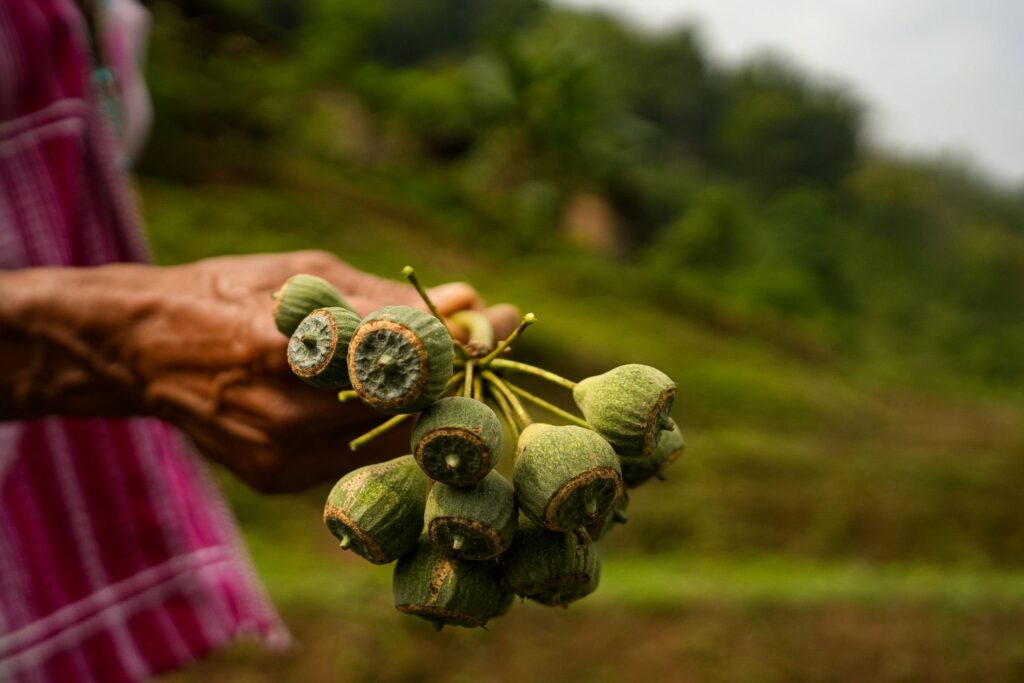

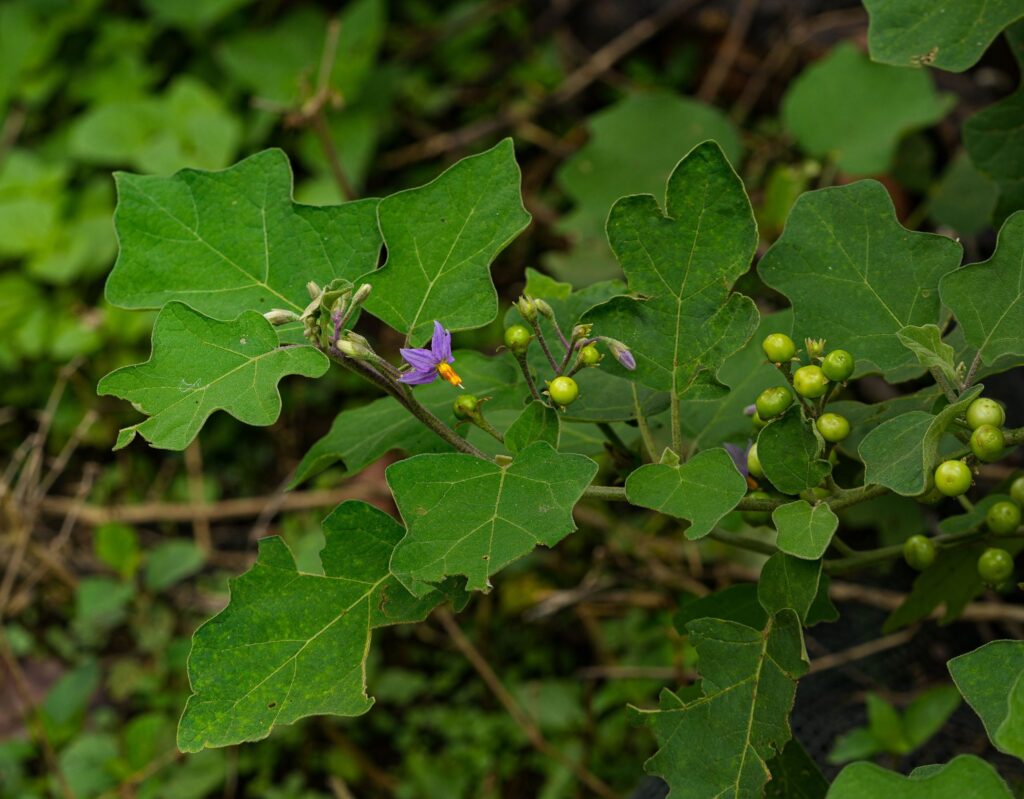
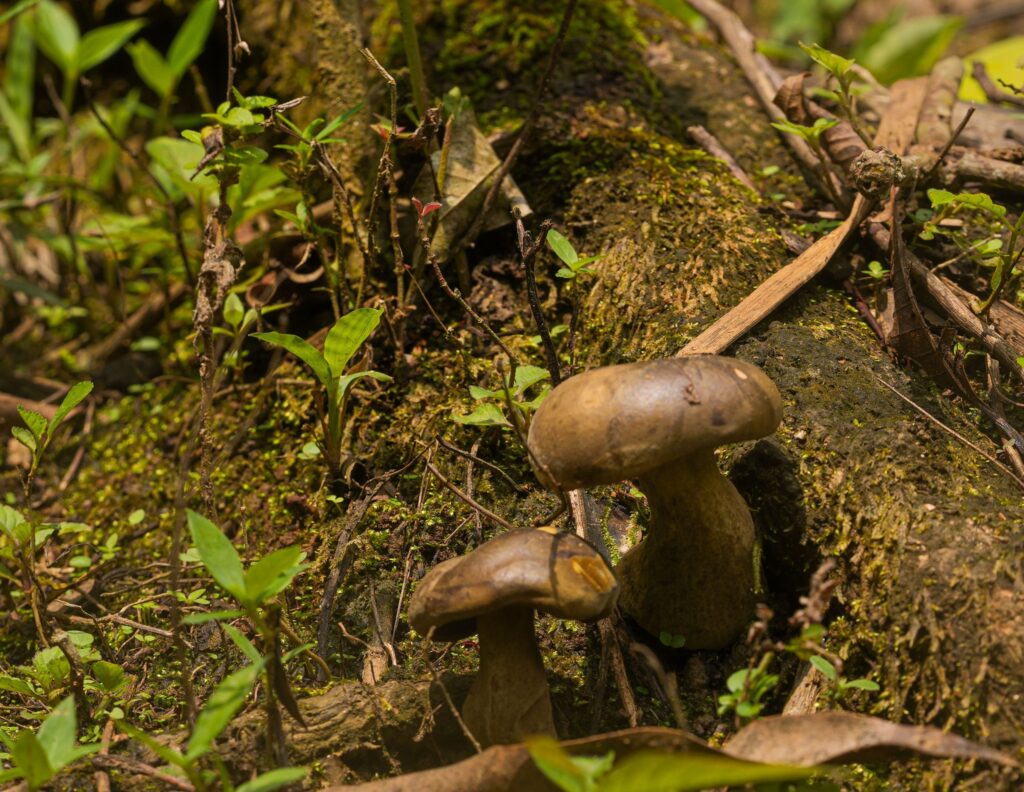
Seasonal wild harvest from the Ten-Thousand-Rai Supermarket
Photographs by Lakpa Nuri Sherpa, AIPP

The maintenance of this “supermarket” relies on collective human capital rather than financial budget. In 2010 alone, between January and May, the community organized 1,062 man-days of labor to manage the forest, including constructing firebreaks, conducting patrols, and extinguishing wildfires. At a standard minimum wage of 300 THB, this represents a self-funded contribution of 318,600 THB (≈ 9,473 USD) — proving that the community pays for its food security through the sweat of forest conservation.
Aw Tee Ker Tor Tee · Aw Kor Ker Tor Kor · Aw Deh Ker Tor Leh · Aw Yah Ker Tor Kwi
Drink the water, protect the spring. Eat from the forest, protect the forest. Eat the frog, protect the stream. Eat the fish, protect the river.
PGAZ K’NYAU TEACHING
This philosophy establishes a sacred covenant of reciprocity, ensuring that the forest is protected as a home so it may continue to serve as a robust supermarket for future generations.
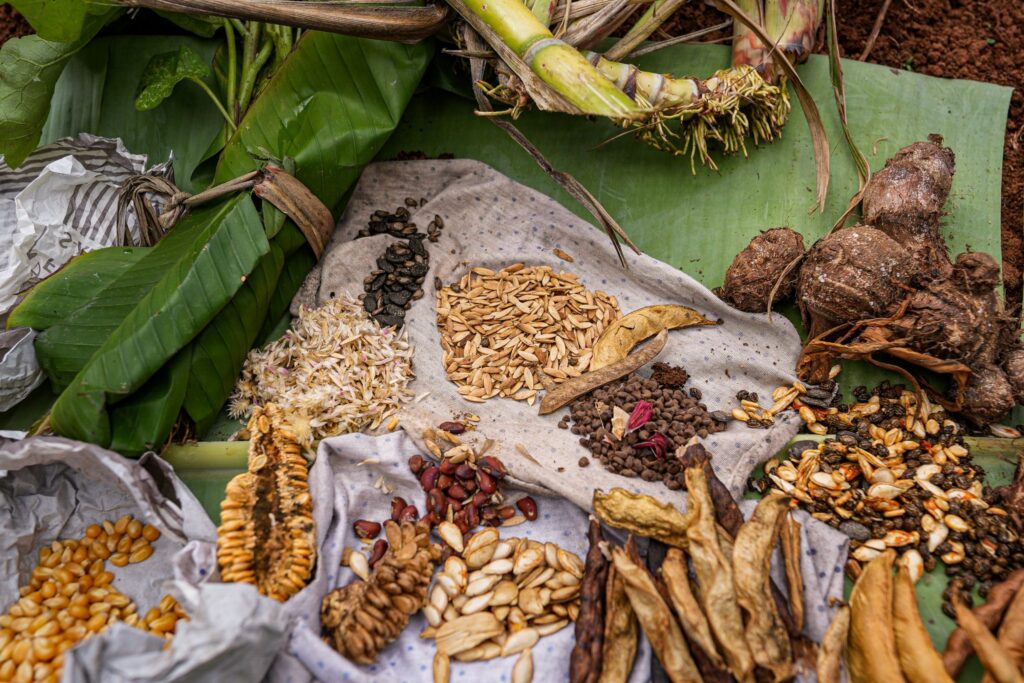
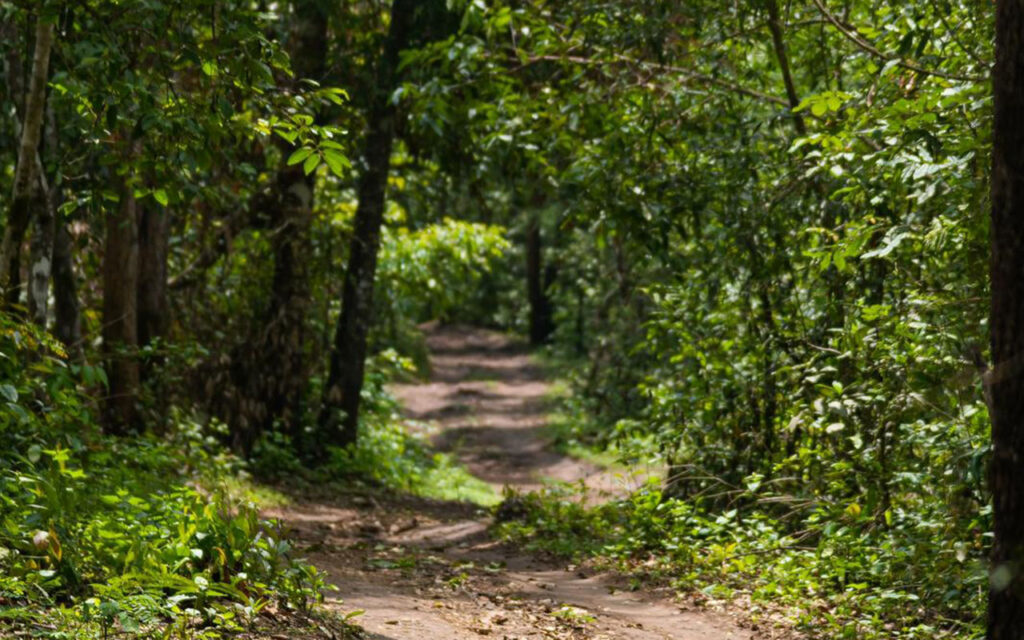
Traditional Fire Management — Livestock as Firefighters
One of the community’s most vital knowledge sets is fire management using natural methods:
- Fuel reduction by livestock. Cattle and buffalo graze on grass and dry leaves, naturally reducing the fuel load that causes severe wildfires. Meanwhile, their manure fertilises the soil.
- Strong firebreak systems. For over 40 years, Ban Mae Jok has had almost no severe wildfires because the community self-organises patrols and maintains a 33-kilometre firebreak — fuelled only by rice and food harvested from its own forests.
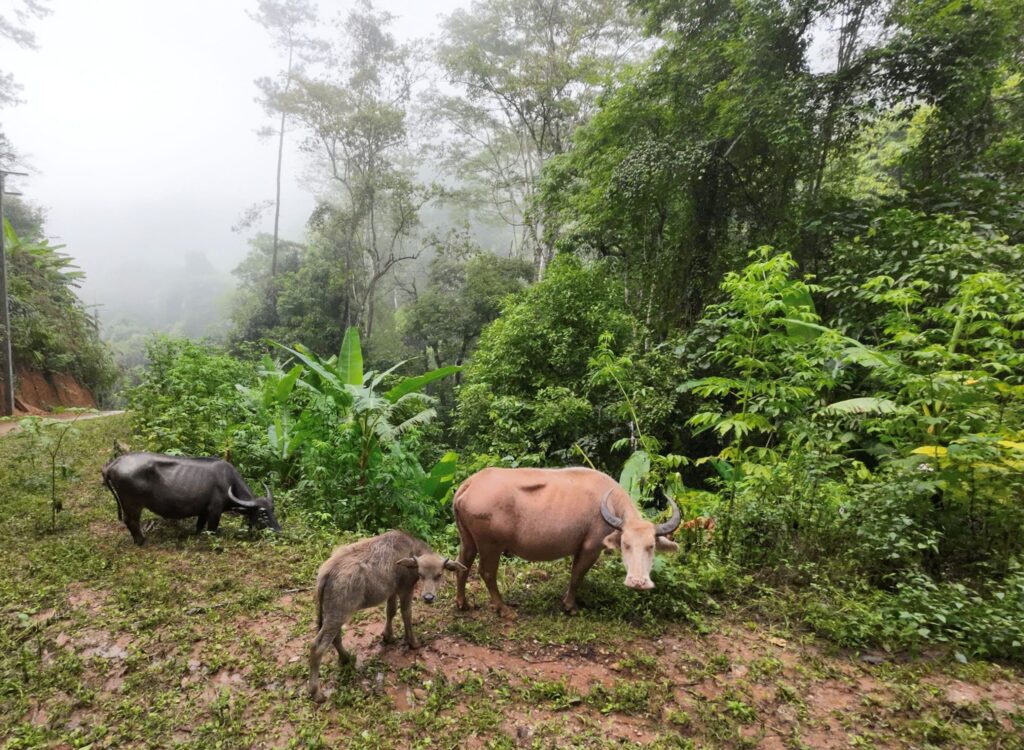
The community contributes thousands of human-hours annually to firebreaks and patrols, saving the state hundreds of thousands of baht in budget. Yet, instead of support, they receive legal insecurity.
Legal Constraints — Challenges to Sustainability
Despite decades of effective, Indigenous-led stewardship through Rai Metta, the 10,000-rai supermarket, and sophisticated fire management, communities like Ban Mae Jok continue to face legal constraints.
Amidst state efforts to manage resources through decrees under the National Park Act and the Wild Animals Conservation and Protection Act (2025), severe human rights limitations have emerged. These laws act as tools to “freeze” traditional livelihoods. Land rights are treated like lease-to-own schemes with 20-year expiration dates and non-automatic inheritance, denying the historical fact that these communities settled long before state laws existed.
Furthermore, restricting land per household without understanding rotational farming — a proven agro-ecological innovation — forces communities toward chemical-dependent monoculture. When the rotational farming system is destroyed, Indigenous seed banks and food security vanish with it.
Another paradox is the legal view of livestock as a biological threat, leading to bans or fees for grazing. In reality, livestock serve an ecological function that reduces wildfire fuel. Restricting this under Section 21 of the National Park Act and Section 55 of the Wildlife Act destroys the cultural ecology that protects the forest, turning forest guardians into offenders.
Finally, the law creates a “Nationality Wall” as a condition for basic rights, turning the most vulnerable — who have lived there for generations — into encroachers in their own homes.
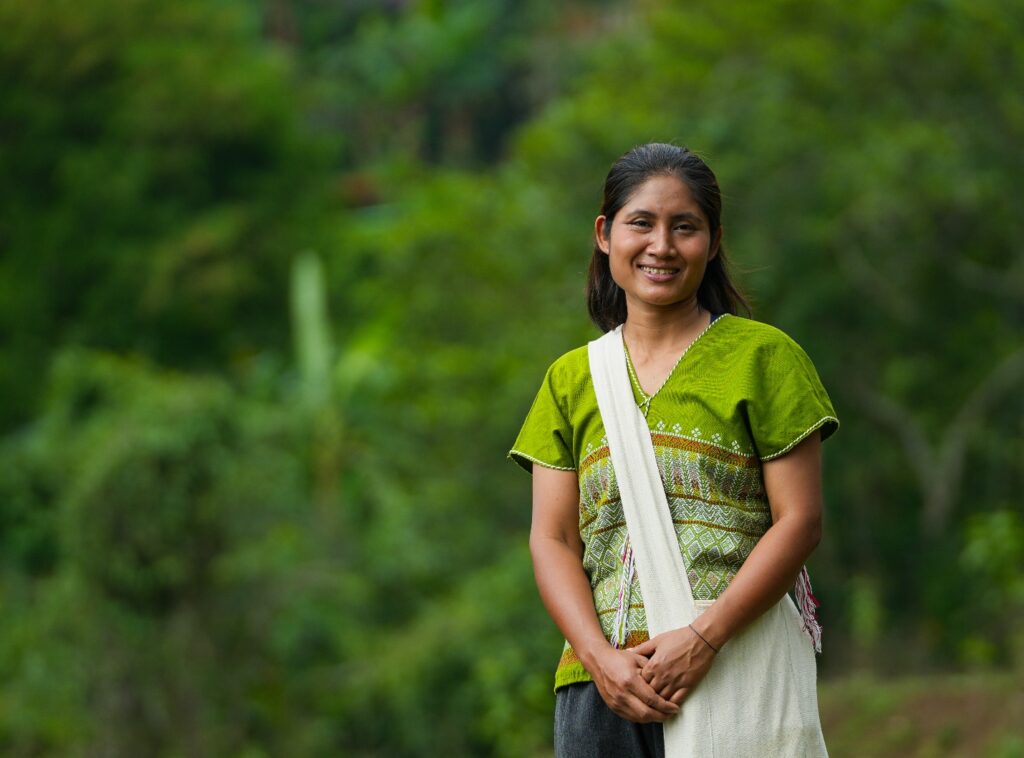
If the law aims for a ‘forest without people,’ it is flawed. People, animals, and the forest must coexist. If the law separates people from the forest, it will lead to ‘people without forests,’ and eventually, the forest will perish because there is no one left to protect it. Where there are Karen Indigenous Peoples, there is forest.— Mrs. Phanee Pongphraisun, Village Head of Mae Jok
Proposals for Change — Beyond “People-Free” Conservation
Twenty-first century conservation must transition from “people-free” models to community-based management. The Thai state must reform its legal structure in three key areas:
- Recognition of Collective Rights. Shifting from individual, temporary permits or land allocations to sustainable, inheritable community rights.
- Acceptance of Cultural Practices and Rotational Farming. Laws must respect and recognise Indigenous Peoples’ practices vital to biodiversity conservation and climate resiliency.
- Genuine Participation. Indigenous Peoples must be strategic partners with decision-making power and appropriate budget support — not just assistants to state officials.
Conclusion
The lesson from Ban Mae Jok is clear: the forest survives not because of strict laws, but because the people love and respect it. If the state continues to reproduce laws that suppress Indigenous Peoples’ livelihoods, we lose not just a community, but a model for human survival in a warming world.
It is time to replace suspicion with the recognition of human rights and self-determination, so that Indigenous Peoples’ way of living and being can continue to nourish the planet — and directly contribute to achieving global climate and biodiversity goals.
Sources
Community Leaders of Ban Mae Jok
Phnom Thano — imnvoices.com · imnvoices.com/?p=1602
Pimonphan Chanprateepsong — Inter Mountain Peoples’ Education and Culture in Thailand Association (IMPECT) · impect.or.th/21233
Contact Us
Asia Indigenous Peoples Pact (AIPP)
112 Moo 1, Tambon Sanpranate, Amphur Sansai, Chiang Mai 50210, Thailand
Phone: +66(0) 53 343 539
Fax: +66 (0) 53 343 540
[email protected]