Many Indigenous Peoples in Asia feel excluded from nat’l biodiversity planning: Report
20 March 2026
A report and policy brief by Asia Indigenous Peoples Pact (AIPP) found that Indigenous Peoples in Asia think they are having little sway on their nation’s biodiversity goals — despite the global U.N. biodiversity agreement calling on countries to ensure their full and effective participation in decision-making.
The report gathered 85 survey responses from 15 countries and 59 Indigenous organizations across Asia, documenting the inclusion of Indigenous Peoples in the national biodiversity strategies and action plans (NBSAP) revision processes across these countries. The report focused on Asia, where nearly two-thirds of the world’s Indigenous Peoples are located, though many governments do not recognize this status. It found participation, implementation and policy gaps in the countries’ national biodiversity plans. Survey respondents said they had limited influence over outcomes, as Indigenous Peoples were not treated as equal partners.
However, the report also found that Indigenous Peoples increasingly participated in the NBSAP revision processes compared with a previous global biodiversity agreement for the 2011-20 period.
When they did participate, roughly 60% reported that participation was not meaningful, and 49% of respondents engaged in the NBSAP processes said they did not know whether their inputs were reflected in the final documents. A small minority of people (9%) received NBSAP update information directly from the government.
Indigenous sources told Mongabay they sometimes felt “tokenized” as part of the process.
“Indigenous Peoples were marginalized in terms of power-sharing as final decisions on what goes into the NBSAP were made by the concerned government ministries and officials, based on their mandates,” said Jacqueline Cariño, coordinator of Partners for Indigenous Knowledge Philippines, a network of Indigenous organizations and communities.
This, Cariño said, emphasizes the need to develop an Indigenous Peoples biodiversity strategy and action plan (IPBSAP), an Indigenous-led version of the NBSAP that addresses the state of biodiversity, threats and challenges faced by Indigenous Peoples. This document highlights their rights and priorities on issues that concern them, serving as an instrument to communicate Indigenous Peoples’ perspectives and help influence policy. The Philippines published its NBSAP in 2025.
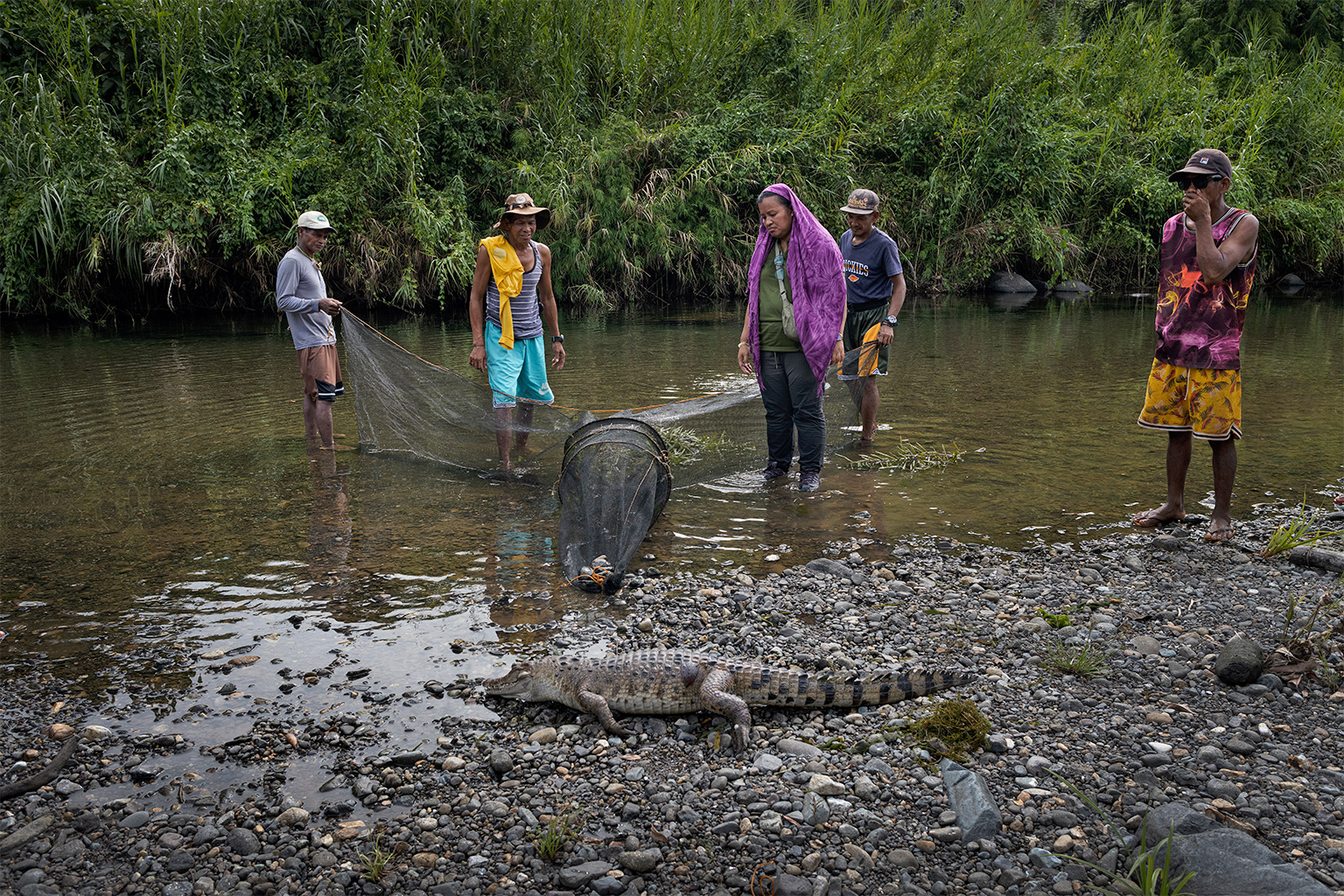
Indigenous people in the Philippines involved in crocodile conservation. Image by Giacomo d’Orlando for Mongabay.
“[Our] IPBSAP, which Indigenous Peoples in the Philippines developed in 2024 and has 23 targets in alignment with the Kunming-Montreal Global Biodiversity Framework, helps influence decision-makers at the national level to consider Indigenous rights and perspectives,” Cariño said.
Although this document does not directly ensure power-sharing for Indigenous Peoples, she said.
The report stated that ensuring direct and dedicated funding for Indigenous Peoples, investing in equitable partnerships and supporting Indigenous-led knowledge systems are among other factors that enhance Indigenous access, meaningful participation in the NBSAP revision process and help implement biodiversity goals.
Gaps
One of the report authors, Pirawan Wongnithisathaporn from AIPP, told Mongabay that Indigenous survey respondents said they were mostly invited to tick boxes and were barely considered equal partners in the NBSAP review process.
Under the Convention on Biological Diversity, countries review and update their NBSAP to align national efforts with the targets of the global biodiversity agreement, which aims to halt and reverse biodiversity loss by 2030. This review process is carried out through national-level evaluations, assessing biodiversity gaps and stakeholder consultation, including with Indigenous Peoples.
The report found 13% of survey respondents participated in state-led consultations with Indigenous Peoples, with fewer participating in policy drafting or advisory bodies.
According to the policy brief, 59% of survey respondents who participated in the NBSAP revision reported not having enough time, information and resources to participate meaningfully. Only 6% of national targets mention Indigenous Peoples’ right to free, prior and informed consent.
Although Indigenous Peoples in Nepal secured roles on the national NBSAP revision committees after constant lobbying, Khadga Saru Magar, president of the Nepal Indigenous Disabled Association, told Mongabay that persons with disabilities remain highly excluded from both the NBSAP revision and implementation processes.
“We are called in for consultation, but our roles make no difference in what the government decides would go into these plans,” Magar said.
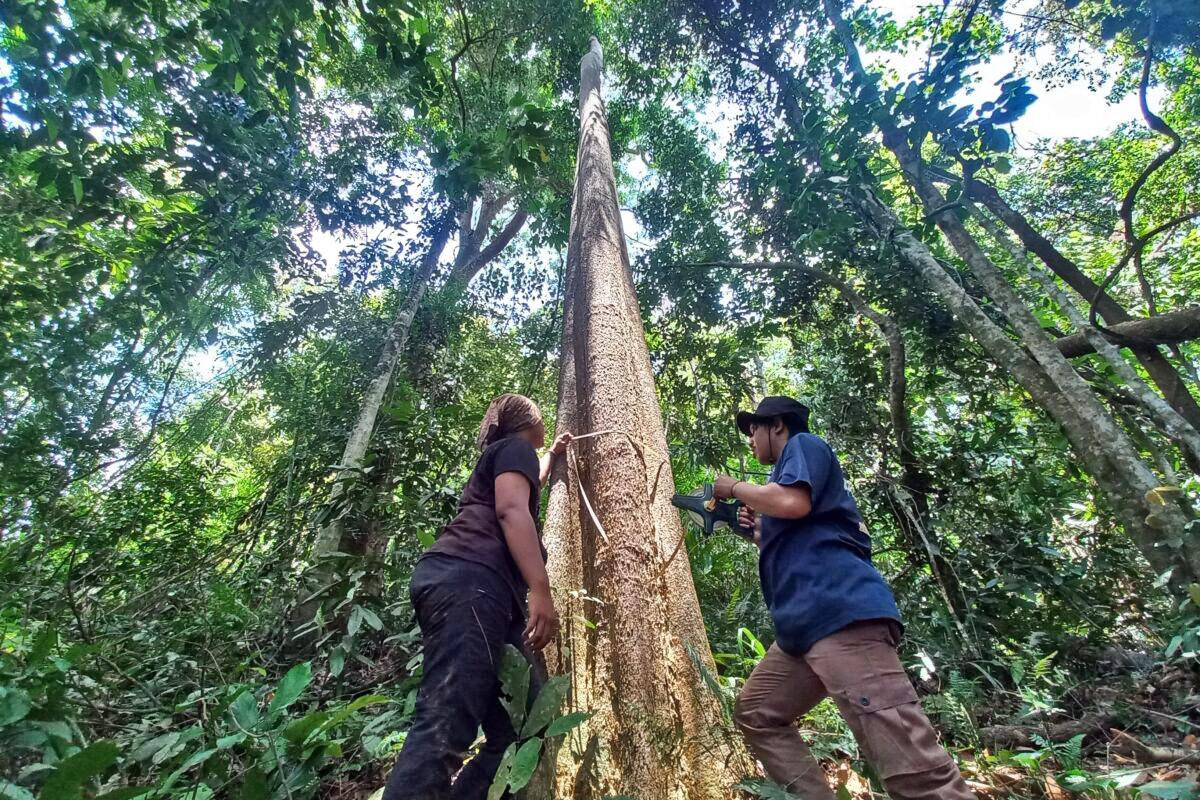
In Indonesia’s South Kalimantan, members from an NGO measure the trees on Mount Hauk, the sacred territory of the Dayak Pitap people. Image by Riyad Dafhi Rizki/Mongabay Indonesia.
Bringing forward solutions
The authors of the report said they didn’t want to just highlight the participation gaps in the NBSAP revision process, but also document how Indigenous Peoples and their traditional practices are key to long-term protection and conservation of forests, territories and biodiversity.
Wongnithisathaporn added that they documented projects by Indigenous knowledge holders, especially women, who are developing local data systems to validate historical conservation gains and to help inform policies with meaningful participation of Indigenous Peoples.
National governments remain the main decision-makers while conservation organizations, U.N. agencies and national and international consultants hold influence as funders and technical experts.
Indigenous participation is what remains tokenistic in some cases, reinforcing technocratic conservation models, sources say.
“Technical expertise is not bad, but it should recognize the value and proven effectiveness or viability of local Indigenous knowledge and practices,” Cariño said.
This is where developing IPBSAPs may be effective, Cariño said, adding that it could serve as an advocacy tool and a planning guide to help Indigenous Peoples assert their rights and gain recognition for their contributions to biodiversity conservation.
“In the face of increasing environmental harm caused by mining and extractive industries, it could be the tool to support community struggles against mining and extractive projects that destroy biodiversity,” she told Mongabay.
Contact Us
Asia Indigenous Peoples Pact (AIPP)
112 Moo 1, Tambon Sanpranate, Amphur Sansai, Chiang Mai 50210, Thailand
Phone: +66(0) 53 343 539
Fax: +66 (0) 53 343 540
[email protected]