AIPP: International Mother Language Day Statement
21 February 2026
Our Roots, Our Language: Mother Tongue Education for Our Futures
International Mother Language Day Statement
21 February 2026
Asia Indigenous Peoples Pact (AIPP)
International Mother Language Day, proclaimed by UNESCO in 1999, celebrates linguistic and cultural diversity and promotes multilingualism. This year’s theme, “Youth Voices on Multilingual Education,” rightly places young people at the center of action.
The Asia Indigenous Peoples Pact (AIPP) marks this day by calling for urgent and concrete measures to protect, promote, and revitalize Indigenous languages through mother tongue–based education. Language is a foundation of identity, culture, knowledge systems, and the right to self-determination.
Yet Indigenous languages remain under serious threat. The UN Permanent Forum on Indigenous Issues has warned that 40 percent of the world’s 6,700 languages are at risk of disappearing, most of them Indigenous. Asia is home to around 2,300 languages, many of which are now endangered. Across the region, countless Indigenous children still lack access to education in their own languages.
Protecting Indigenous languages requires protecting Indigenous lands. Our ancestral lands are the living source of our languages—the forests, rivers, farms, and sacred sites where our words are born, practiced, and passed on. When land is taken, languages and knowledge systems are also endangered. Safeguarding Indigenous territories is therefore central to sustaining our languages and cultures.
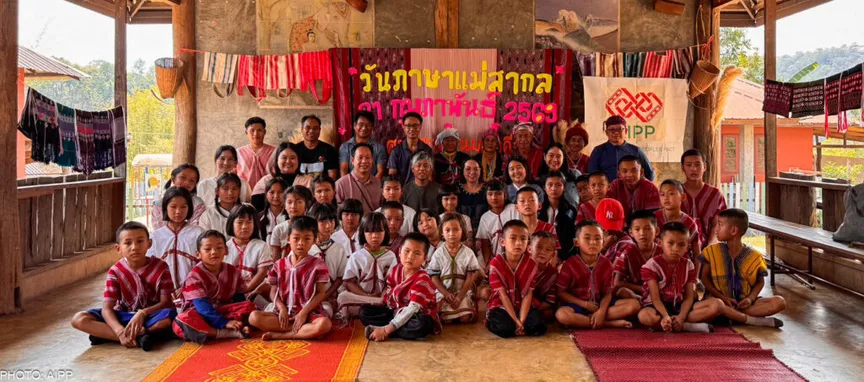
Community-led schools such as Mowakhi Learning School in Chiang Mai, Thailand, demonstrate how multilingual education can successfully integrate national curricula with Indigenous knowledge and cultural values. However, many such initiatives face chronic lack of state support, restrictive policies, and funding constraints. In the Philippines, Lumad Schools have even been shut down for fostering critical and analytical thinking among Lumad children and youth, highlighting the urgent need to protect and support Indigenous community-led education.
The United Nations Declaration on the Rights of Indigenous Peoples (2007), particularly Article 14, affirms Indigenous Peoples’ right to establish and control their educational systems and to provide education in their own languages and cultural methods. The International Decade of Indigenous Languages (2022–2032) presents a critical opportunity to translate these commitments into action.
Our Recommendations
1. Adopt and implement inclusive multilingual education policies that prioritize mother tongue–based education for Indigenous children.
2. Protect Indigenous lands and territories as the core spaces where languages, cultures, and knowledge systems are nurtured and transmitted.
3. Invest in teacher training and curriculum development grounded in Indigenous knowledge, histories, and pedagogies.
4. Provide sustainable funding and infrastructure for community-led Indigenous schools.
5. Address poverty, illiteracy, and low awareness through supportive policies and programs that enable education in Indigenous languages. Establish accreditation and recognition systems to ensure quality instruction and formal recognition of Indigenous languages.
6. Ensure accountability mechanisms for implementing the International Decade of Indigenous Languages at national and local levels.
A Call to Indigenous Youth
We call on Indigenous youth to learn, speak, and embrace their languages and ways of life. Reclaim your connection to your ancestral lands and communities. Organize programs that encourage “back to the villages” learning—immersing in your communities to study your language, culture, and traditional knowledge from elders and knowledge holders. Your voices and leadership are vital to ensuring that our languages not only survive, but thrive.
On this International Mother Language Day, AIPP reaffirms its commitment to advancing Indigenous mother tongue education as a foundation for cultural survival, dignity, land rights, and self-determination.
Click here to download the full Mother Language Day statement
Contact Us
Asia Indigenous Peoples Pact (AIPP)
112 Moo 1, Tambon Sanpranate, Amphur Sansai, Chiang Mai 50210, Thailand
Phone: +66(0) 53 343 539
Fax: +66 (0) 53 343 540
[email protected]