Urgent Call from Geneva: Thai Indigenous Women’s Land Rights Under Threat
18 June 2025
Geneva, Switzerland – June 16, 2025 – As the United Nations Committee on the Elimination of Discrimination against Women (CEDAW) convenes its 91st session in Geneva this week, a critical issue is being raised: the alarming threat to the land rights and livelihoods of Indigenous women in Thailand. While Thailand recently submitted a periodic report to CEDAW touting progress, a deeply concerning Royal Decree enacted in November 2024 is now undermining the very rights CEDAW seeks to protect.
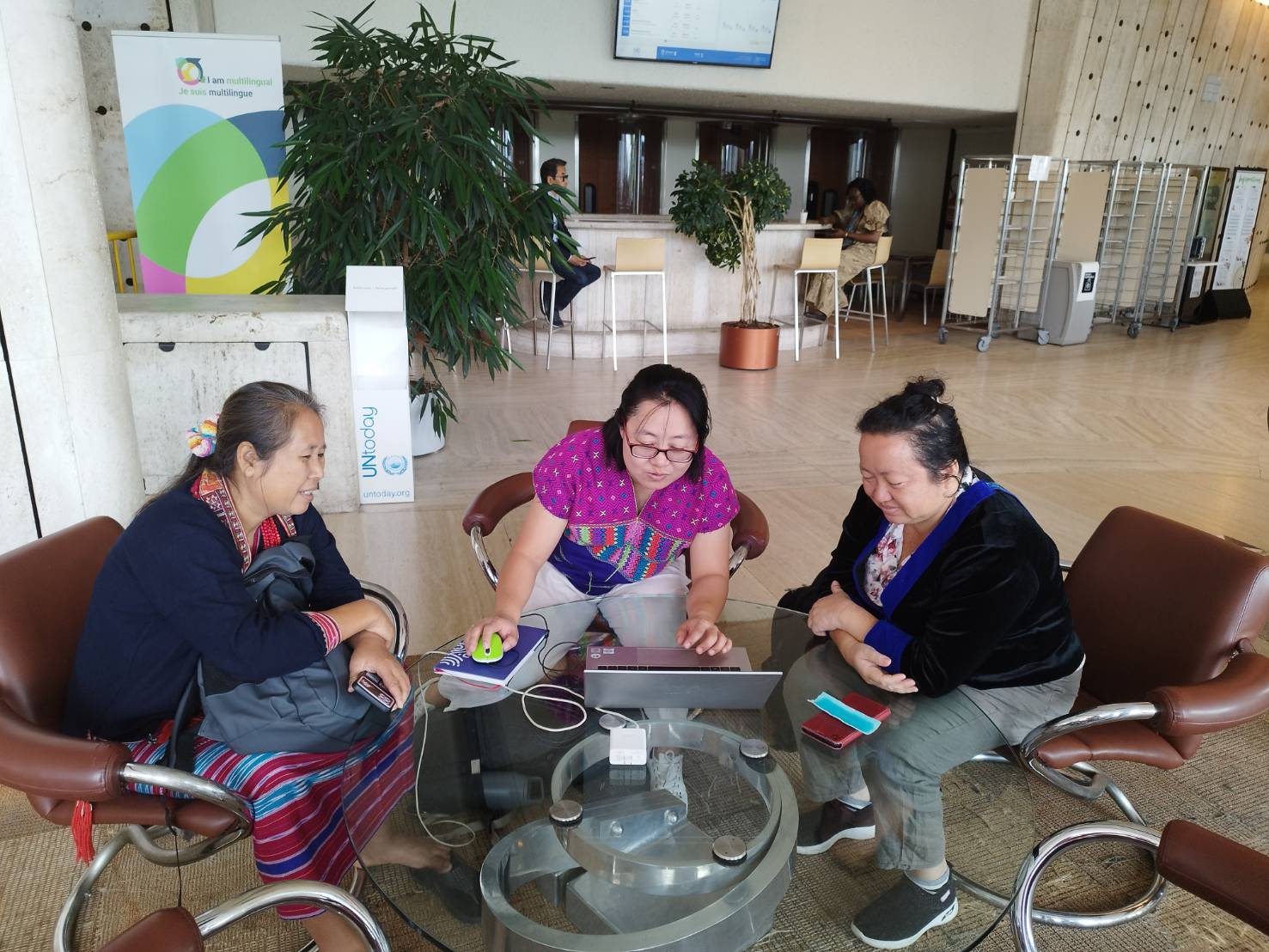
Representative of Indigenous Women Network in Thailand is speaking out, expressing grave concerns that this new decree, which impacts over 4,000 communities across 224 protected areas, severely jeopardizes their fundamental rights. This isn’t just about land; it’s about the economic security, cultural preservation, and human dignity of thousands of Indigenous women and their families.
What’s at Stake?
The new Royal Decree introduces several provisions that are highly detrimental to Indigenous women:
- Non-Transferable, 20-Year Land Use Permits: Imagine being told you can use your ancestral land for only 20 years, with no guarantee that your children or grandchildren can inherit it. This is the reality Indigenous women now face. This denies intergenerational inheritance, a cornerstone of Indigenous communities and a direct contradiction to Thailand’s own Constitution, which ensures equal property rights, including inheritance. It strips women of their long-term economic security and the ability to plan for their families’ future.
- Disruption of Traditional Farming Practices: The decree imposes strict limits on farming areas, restricting them to just 3-6 hectares. For Indigenous communities, traditional practices like rotational farming are not merely agricultural methods; they are integral to food security, environmental sustainability, and cultural identity. Indigenous women play a crucial role in these practices, acting as guardians of traditional knowledge and ensuring their communities are fed. These new limits disrupt centuries-old sustainable practices and threaten their ability to sustain themselves.
- Exclusion and Marginalization: The law introduces complex legal criteria and a requirement for Thai nationality, which disproportionately impacts many long-term Indigenous residents, particularly undocumented Indigenous women. These women, who have lived on and cared for their ancestral lands for generations, could now be excluded from land access and protection, rendering them even more vulnerable.
Contradicting Commitments, Worsening Inequality
This Royal Decree stands in stark contrast to the positive picture painted by Thailand in its recent CEDAW report. While the report highlighted an increase in women’s land ownership and government efforts to support rural women, this new law seems to roll back progress and exacerbate existing inequalities.
Furthermore, these actions appear to violate Thailand’s obligations under CEDAW, especially General Recommendation No. 39 (GR39). GR39 specifically emphasizes the distinct rights of Indigenous women and girls, including their rights to land, territories, and natural resources, and the necessity of Free, Prior, and Informed Consent (FPIC) for any projects affecting their lands.
An Urgent Call to Action
The Indigenous women of Thailand are urging the CEDAW Committee to take decisive action. They call on the Committee to press the Thai government to urgently review and amend this Royal Decree. It is imperative that the rights, livelihoods, and dignity of Indigenous women are protected in accordance with Thailand’s constitutional principles and its international commitments under CEDAW.
The world is watching. The CEDAW 91st Session is a vital platform for these voices to be heard. Let us stand in solidarity with Indigenous women in Thailand as they fight for justice and the preservation of their ancestral lands and way of life.
Contact Us
Asia Indigenous Peoples Pact (AIPP)
112 Moo 1, Tambon Sanpranate, Amphur Sansai, Chiang Mai 50210, Thailand
Phone: +66(0) 53 343 539
Fax: +66 (0) 53 343 540
[email protected]